
From the Blog
Best Radiators for Ground Source and Air Source Heat Pumps?
..
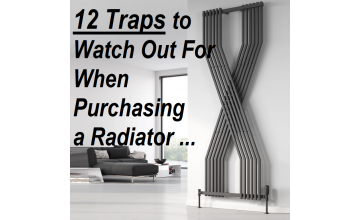
12 Traps to watch out for when purchasing a radiator online
12 Traps to watch out for when purchasing a radiator online..
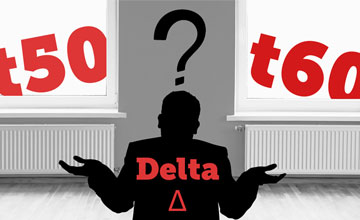
Delta t 30°, Delta t 50° or Delta t 60° - What's the Difference?
Delta t, also written Δt, represents the difference between two temperatures - e.g. between a radiator and a room..
Customer Reviews
Beautiful New Radiators for Your Home or Office
Budget Radiators stands for great quality new radiators at great prices to suit your budget.
You'll find all types of new radiators here, mainly central heating radiators, although we have some beautiful electric radiators and dual energy ones too. You'll find classy designer radiators, cast iron radiators, towel radiators - well, you name it - there are many radiators here to suit your needs perfectly.
Best place for Online Radiators
Significant savings are passed on to you because we buy directly from radiator manufacturers and have no expensive store or showroom, so, you get top quality new radiators at great prices.
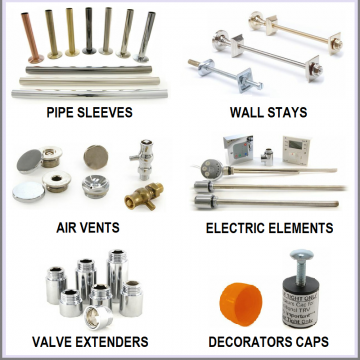
Please browse the site for radiators and accessories to make your home or office warm, comfortable and stylish -without breaking the bank.
Radiators that enhance your home
Frequently, people buy new radiators because they need them: it’s often cheaper and certainly easier to buy new ones than to remove the old and try to restore them. However, more and more people are realising the positive impact new radiators can have on a room when they’re chosen for their style.
If you think about it, you’ll think nothing of spending hundreds or even thousands of pounds on a new sofa, wallpaper, paint, curtains and so on and then stick the same, and dare we say it ‘boring’ old white standard panel radiator back on the wall with a lick of paint.
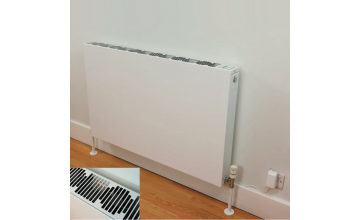
Not that there is anything wrong with panel radiators. it’s just that they’re, well – a bit boring - especially when you review some of the fabulous options now available.
Quality Radiators
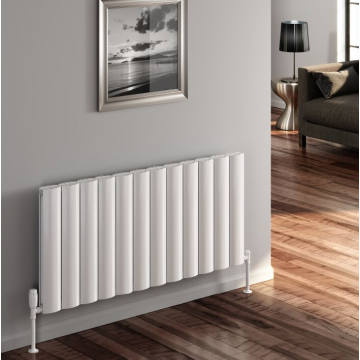
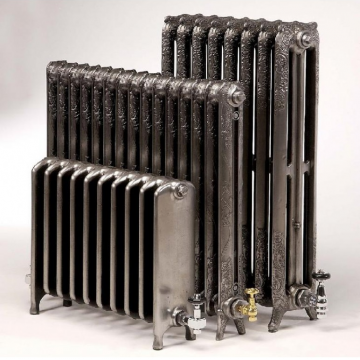
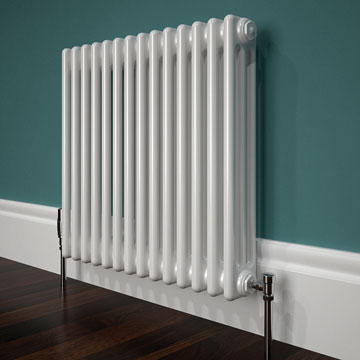
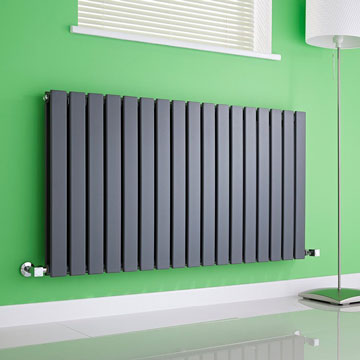
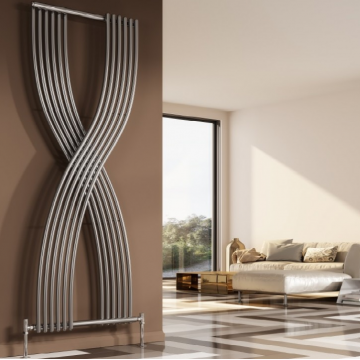
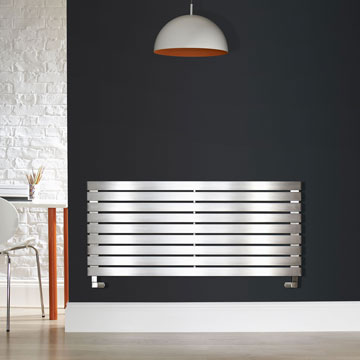
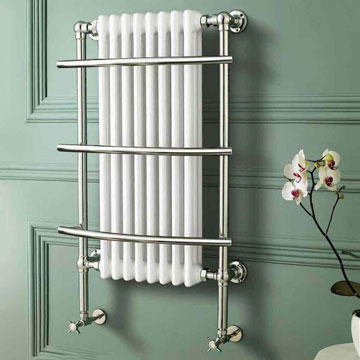
Imagine how your rooms would look with beautiful designer radiators or wonderfully crafted Cast Iron Radiators, perhaps Column Radiators rising impressively up your walls or Stainless Steel Radiators seeking of quality. Now that’s class.
Why not have a look at all your options, visualise them in your home and then make your decision?